
Can Smart Devices Detect Termites?
- Jun 22, 2026
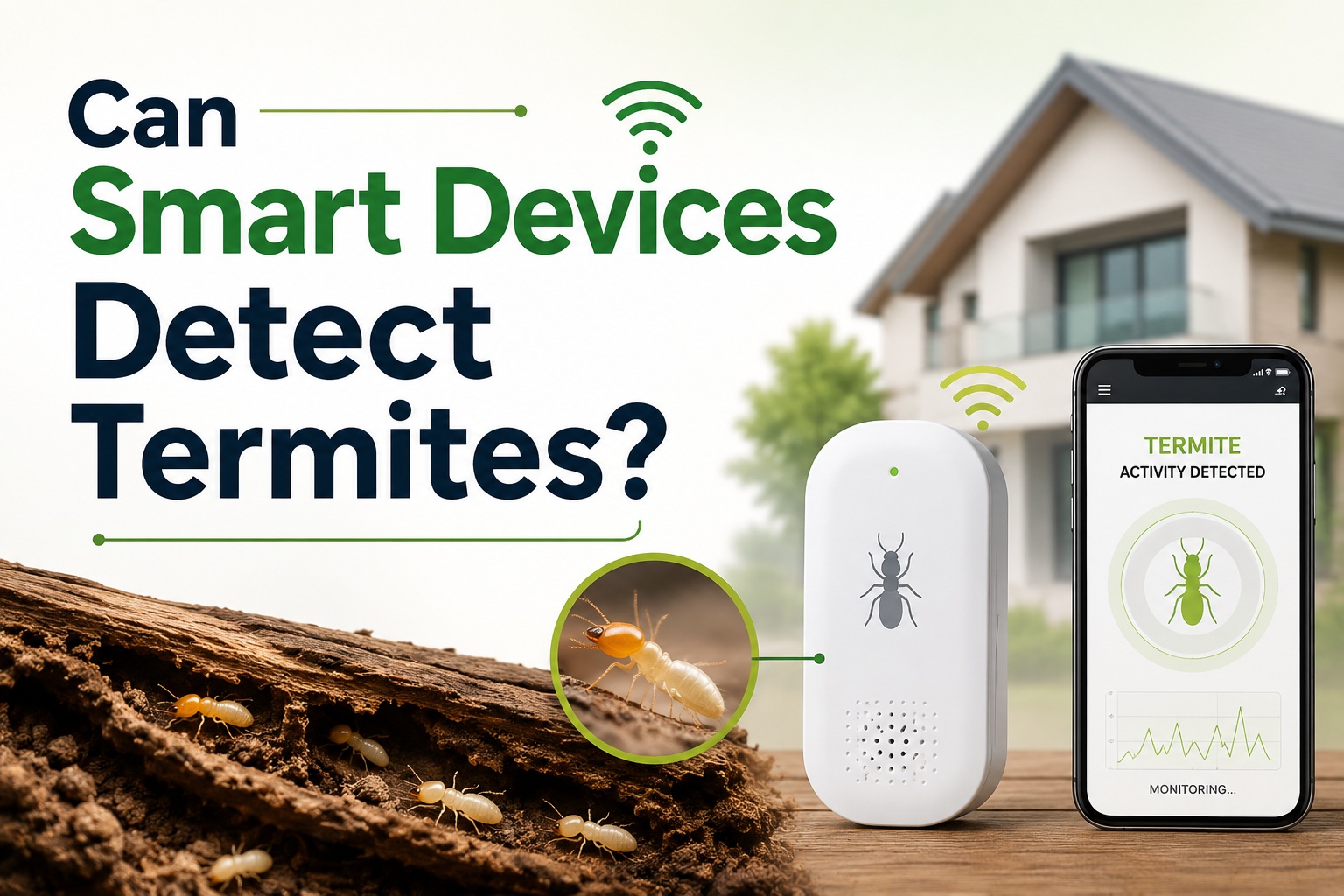 Your smart doorbell watches your front porch. Your leak sensor pings your phone the second a pipe drips. Your thermostat adjusts to your schedule better than your spouse does. So surely, with all that technology, your house is safe. Right?
Wrong. And the gap between what people assume their smart home can do and what it actually does is leaving American homeowners vulnerable and costing them billions of dollars each year.
The Threat Your Smart Home Cannot See
Termites cause an estimated $6.8 billion in property damage annually in the United States, according to the National Pest Management Association (NPMA). That figure comes from the NPMA's March 2026 Termite Awareness Week announcement, which means the problem is not diminishing even as smart home spending keeps climbing every year.
A national survey conducted by The Harris Poll on behalf of the NPMA in early 2026 found that only 58% of U.S. homeowners are even aware of the damage termites can cause, and fewer than half, just 45%, believe that prevention is more cost-effective than repair. Even fewer, only 36%, could identify the common warning signs of an infestation, such as shelter tubes, swarmers, or discarded wings.
Now, to answer the original question, no, smart home devices like cameras, smart locks, thermostats, and leak sensors cannot detect termites. Leak sensors can identify conditions that make the environment conducive to termites, but they cannot detect termites themselves.
People are investing in cameras and smart locks that protect against break-ins, a real but statistically rarer event, while the pest that quietly eats the structure of the house itself goes completely unmonitored.
Also Read: 5 Important Areas to Inspect During a Termite Inspection
Which Technology Actually Detects Termites
Detection technology has genuinely improved, and not just in the consumer smart home aisle. Professional-grade tools now used by licensed termite control companies include:
Thermal imaging cameras, which detect the subtle heat and moisture that termites generate as they tunnel through wood, allowing technicians to spot warmer areas behind drywall or paneling without opening up the wall.
Acoustic emission detectors, which listen for the faint sound of termites chewing through wood fiber. This method can pinpoint infestation locations with precision, something technicians cannot achieve by tapping on wood alone.
Multi-sensor handheld devices, such as radar and moisture combination tools, which give technicians confirmed, real-time evidence of live termite activity without damaging the home, with results documented and shared digitally within minutes.
Remote monitoring sensor networks, placed at key points around a structure, that track moisture problems and signs of hidden termite activity early. This helps professionals focus treatment before infestations become more extensive.
These tools exist. They work. But they are deployed by licensed termite control technicians during scheduled inspections.
HiTech Termite Control
Smart home technology is excellent at what it is built for. It is just not built to fight termites. Closing that gap takes a different kind of technology entirely, the kind that licensed termite professionals carry into a home. Our trained technicians at HiTech, with the right detection equipment, can confirm termite activity, if there is one. Book a professional termite inspection today and find out if you have unwanted guests hiding in your place. Click here to visit our site.
Frequently Asked Questions
Can smart devices detect termites?
No. Cameras, smart locks, leak sensors, and thermostats are not engineered to detect termite vibration, feeding sounds, or wood density loss. Dedicated termite monitoring tools exist, but they are professional-grade equipment used during pest inspections.
How long can termites be active in a home before damage is visible?
Subterranean termite colonies typically need more than five years to grow large enough to cause noticeable structural damage, but aggressive Formosan termite colonies can cause significant damage in as little as one to two years in warm, moist climates.
Will my homeowners’ insurance cover termite damage?
Rarely. Standard homeowners’ insurance policies treat termite damage as a preventable maintenance issue, not a covered peril, which means the full cost of repair typically falls on the homeowner.
What are the early warning signs of termites?
Pencil-width mud tubes along the foundation, discarded termite wings near windows and doors, hollow-sounding wood when tapped, and small pinpoint holes in wood surfaces.
How often should a home actually be inspected for termites?
At least once a year, more often in warm or humid climates, regardless of how many smart devices are installed in the home. Annual inspection remains the single most reliable early detection method available to homeowners today.