
- 22 September 2026
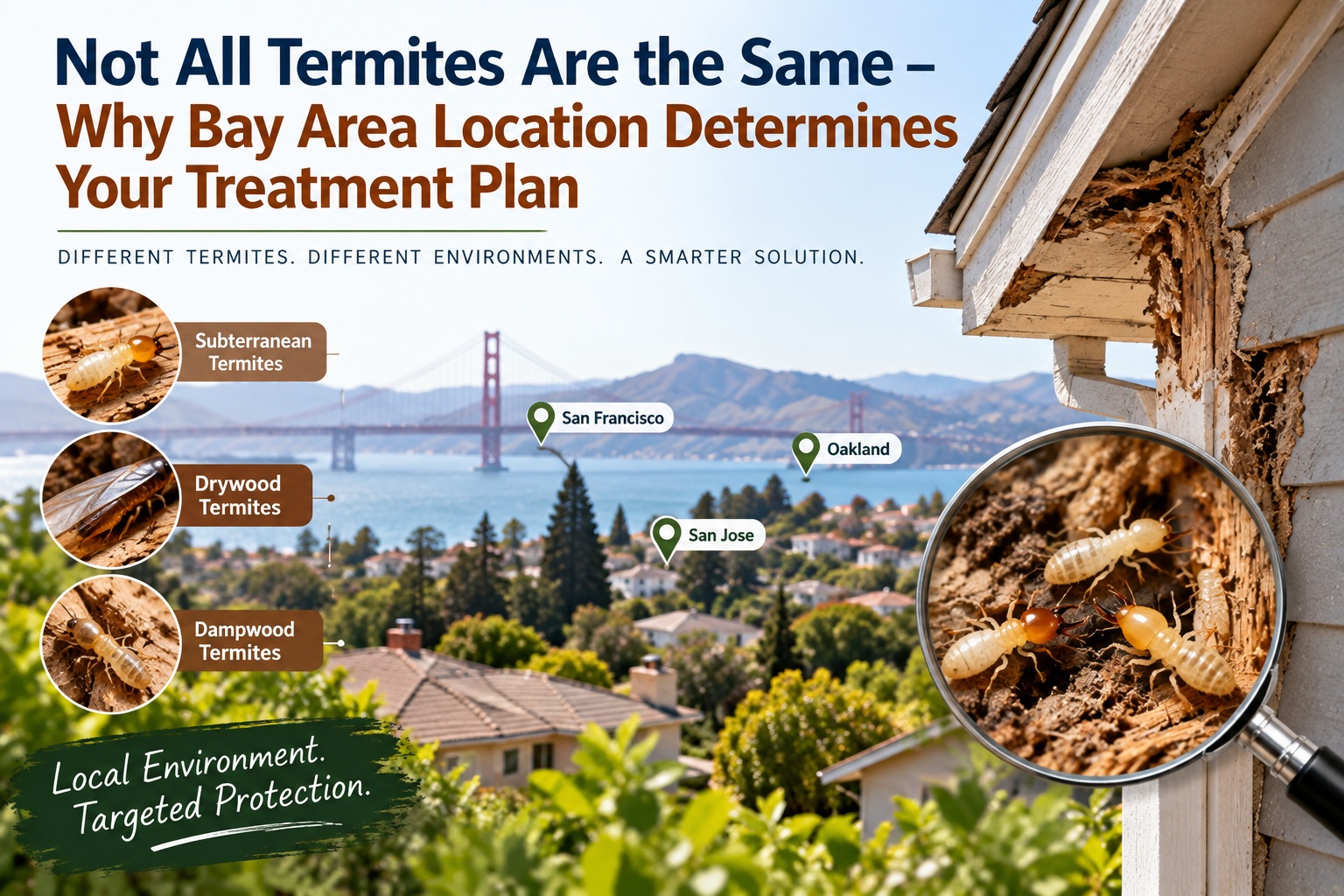 Two Bay Area homes just a few miles apart can have completely different termite problems. This is because the Bay Area isn't one climate. It's a patchwork of foggy coastlines, hot inland valleys, and mixed urban neighborhoods, and each environment favors a different type of termite.
Knowing which termite species is likely in your area is the first step toward choosing the right treatment.
Read more
- 21 September 2026
 No two termite quotes look exactly alike, even for homes on the same block. That's not a red flag. A termite quote isn't really pricing "termite treatment." It's pricing a specific combination of infestation type, home size, treatment method, and warranty coverage. Once you know those pieces, a quote stops feeling like a mystery number and starts making sense.
Read more
- 19 August 2026
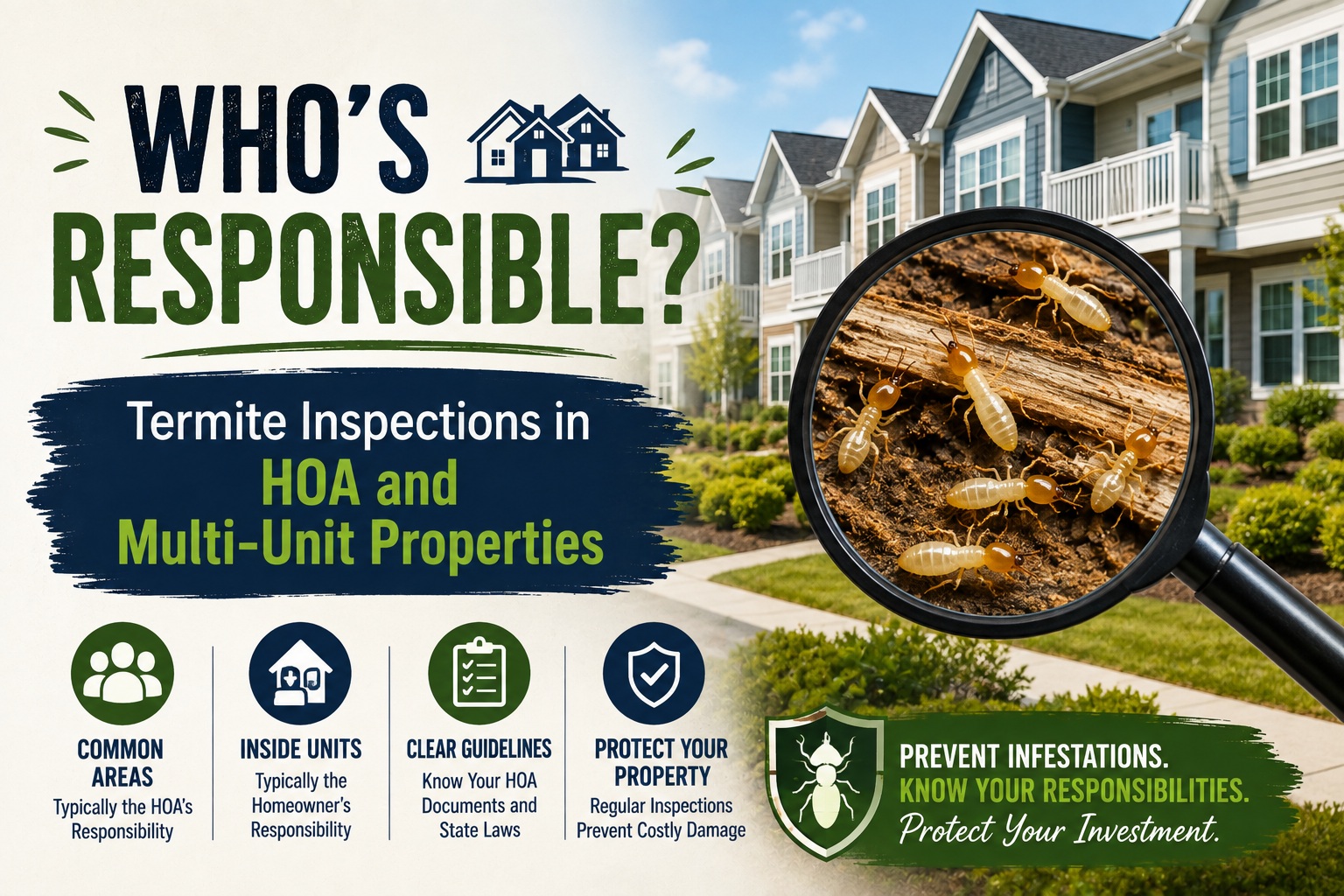 If you own a condo, town home, or unit in a multi-family building anywhere in the Bay Area, a termite problem raises a question that single-family homeowners rarely think about: Whose job is it to fix this? Is it the HOA's responsibility, or yours? The answer depends on what kind of property you own, what your governing documents say, and where exactly the termites are found.
Read more
- 17 August 2026
 If the Bay Area's rainy season left your yard soggy, your gutters overworked, and your crawl space damp longer than usual, it sets the stage for the busiest termite season of the year. Waiting until fall to schedule your next inspection means missing the window when a wet winter's effects are most likely to show up.
Read more
- 24 July 2026
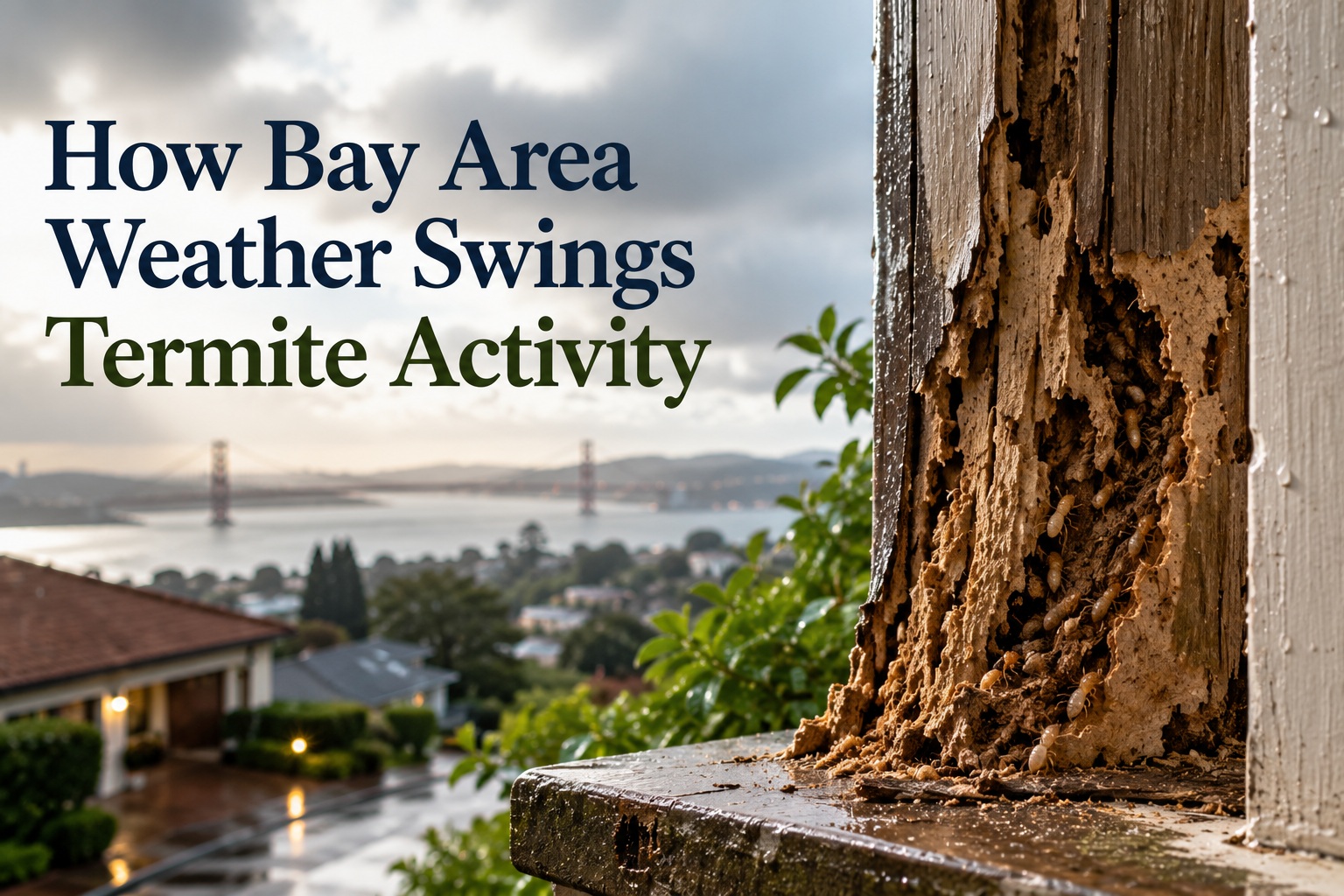 The Bay Area has spent the last several years lurching between extremes. Three straight years of drought to a historic run of rains with nine storms in three weeks. The pattern has kept swinging, with weak La Niña conditions. For homeowners, that whiplash can increase termite activity.